
Honour and Glory
Rita Ackermann, dogfilm, Martin Gostner, Hermann Grabner, IRWIN, Michael Janiszewski, Tamas Komorcki, Mariko Mori, Ugo Rondinone



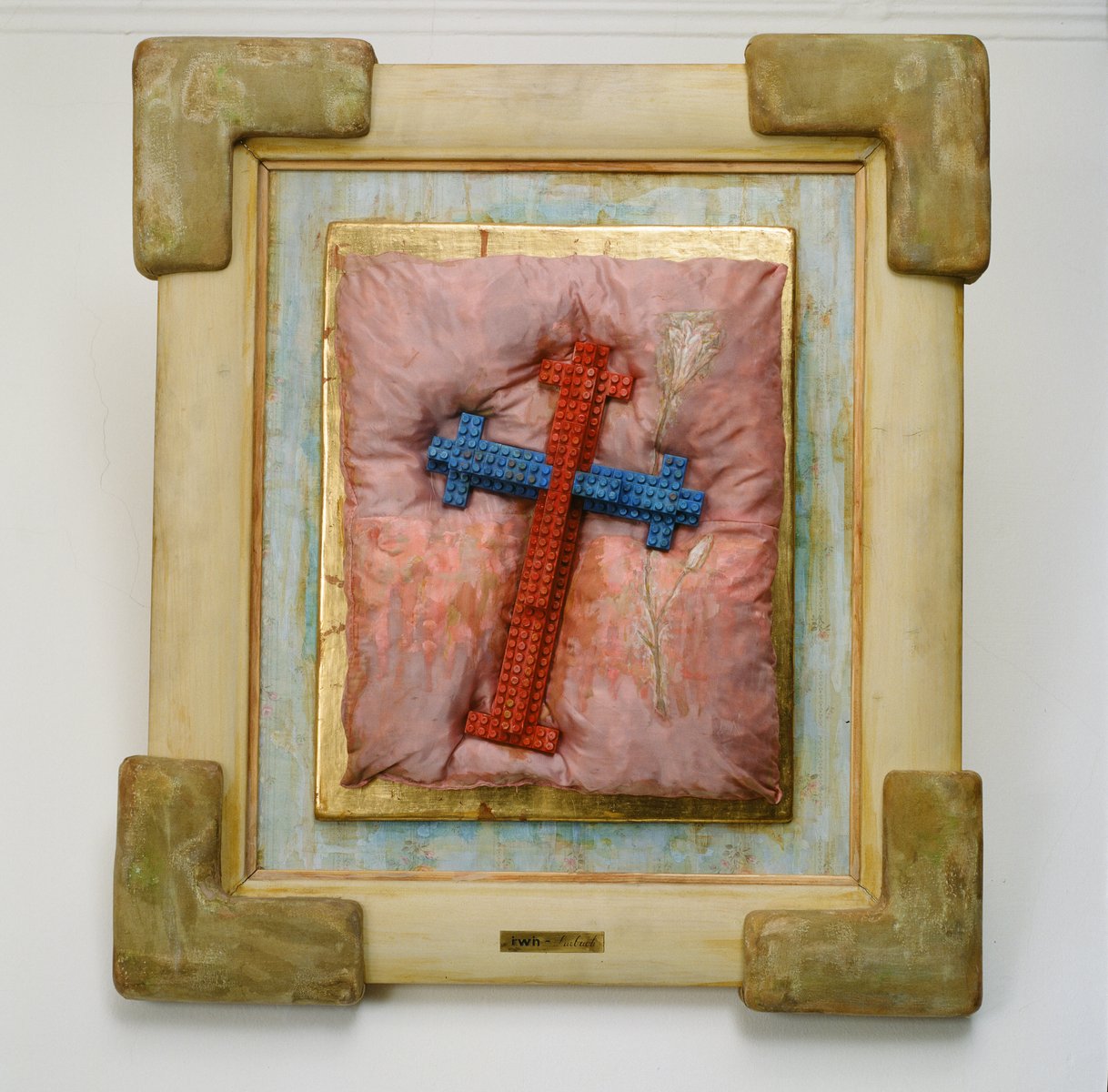

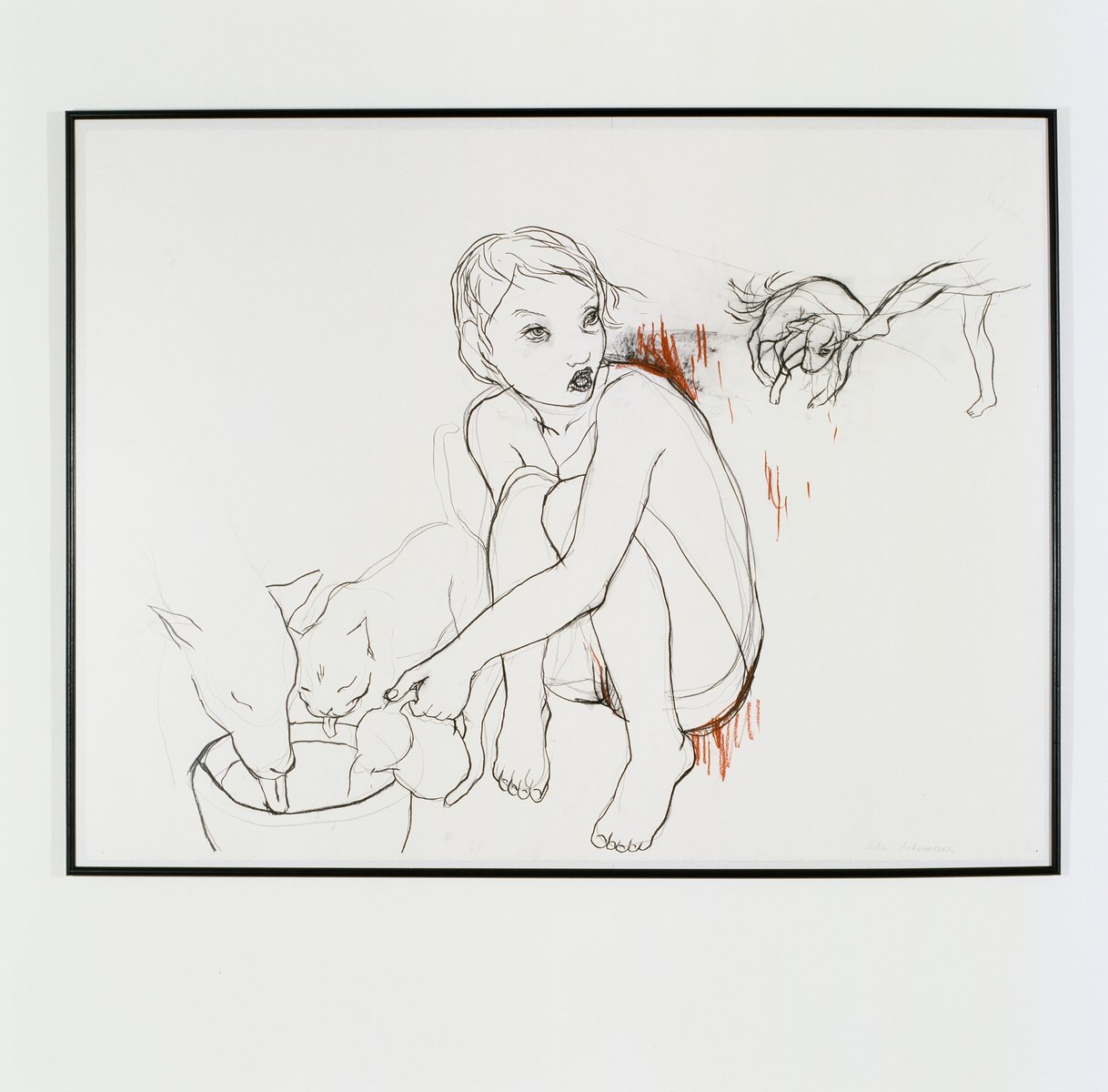
Vera Vogelsberger wrote in the press text at the beginning of October 1997:
"We all work for fame and honor (claim). Honor enables us to do great things, to renounce money and to make 'sacrifices' of other kinds; their loss can cost lives. In honor as a motive for action and behavior, the striving for recognition goes through the group and a sense of pursuing one's own, deeply felt interests make a memorable connection.The place of honor is described as somewhere between law and morality.
Mere achievement does not lead to honor, but mere survival often yields honors.
Honor requires an honoree, an honorer and the public. The honoree incurs guilt - he must prove himself worthy of the honor. The honoree risks his honor with every honor and increases his honor by that of the honoree. If the public honors the honoree, it confirms the concept of honor.
Through ideas of honour, people form groups and shut themselves off from other people. Elites primarily honor themselves.
Fame is more hypertrophied, not so profane, more a matter of religion and nations, for example.
Fame and honor are powerful and elusive. Values are weighed and staged through fame and honor, and art does that too."
Creating art for fame and honor is still practiced today. But not only this aspect was addressed in the exhibition. She showed many areas in which fame and honor play a role comparable to that in art, politics and science, but also showed facets of a lack of fame and honor in everyday life, in the conventional image of women, or as an outsider.
Text: Andrea Hörl